The Allure of Chance
The psychology behind gambling stems from the innate human attraction to risk and uncertainty. Casinos take advantage of this psychological tendency by creating environments filled with visual and auditory stimuli that heighten excitement and anticipation. By offering enticing opportunities, such as online casinos, the thrill of potentially winning a large sum of money, combined with the adrenaline rush of gameplay, creates a compelling draw for players.

Moreover, the uncertainty of outcomes plays a significant role in enticing gamblers. The possibility of winning can lead to a phenomenon known as the “near-miss effect,” where players feel they were close to winning, which encourages continued play. This psychological tactic keeps players engaged, fostering a mindset where they believe that with more effort, they could achieve success.
The Role of Environment
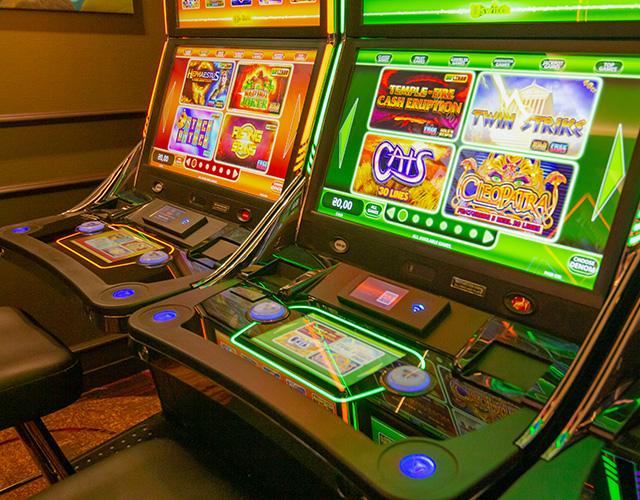
Casinos meticulously design their physical spaces to enhance the gaming experience and increase player engagement. The layout, lighting, and even the choice of colors can significantly influence player behavior. Bright lights and vibrant colors stimulate excitement, while the absence of clocks and windows helps players lose track of time, making them stay longer.
Additionally, the use of sound effects in casinos, from the jingling of coins to celebratory music when a player wins, creates a festive atmosphere that reinforces positive emotions associated with gambling. This multisensory experience is intentional, crafted to keep players immersed and focused on their gaming activities, further enticing them to play.
The Psychological Tricks of Rewards
Reward systems are crucial to the gambling experience, and casinos leverage various techniques to boost player engagement. The concept of intermittent reinforcement comes into play, where players receive rewards at unpredictable intervals. This mechanism is highly effective in maintaining interest, as players are motivated by the prospect of winning a prize at any moment.
Furthermore, casinos often provide players with complimentary services, known as “comps,” such as free drinks, meals, or accommodations, which serve to enhance the overall experience. This tactic not only incentivizes players to gamble more but also creates a sense of loyalty and belonging, as players feel appreciated and valued by the casino.
The Impact of Social Interaction
Gambling is often viewed as a social activity, and casinos are designed to facilitate interactions among players. The presence of others can amplify the excitement of the game, making it more enjoyable. Social reinforcement helps create a supportive environment, where players cheer for each other and share in the highs and lows of the gambling experience.
Additionally, the concept of social proof plays a significant role in this dynamic. Seeing others win can inspire players to continue playing, as they believe that they too could achieve similar success. This social aspect of gambling contributes to the overall allure of casinos, as people often seek out collective experiences that enhance their enjoyment.
Conclusion: Understanding Access and Guidance
As we delve into the psychology behind gambling, it is essential to also consider the context of information accessibility. Many individuals seeking assistance may encounter obstacles that hinder their understanding of gambling and access to responsible gaming resources. Recognizing these barriers is crucial for improving user experiences.
By enhancing guidance and error handling, websites can better serve those interested in gambling-related information. Understanding the psychological aspects of gambling not only aids in creating a more supportive environment but also promotes responsible gaming practices, ensuring that individuals can make informed decisions while enjoying their gambling experiences.